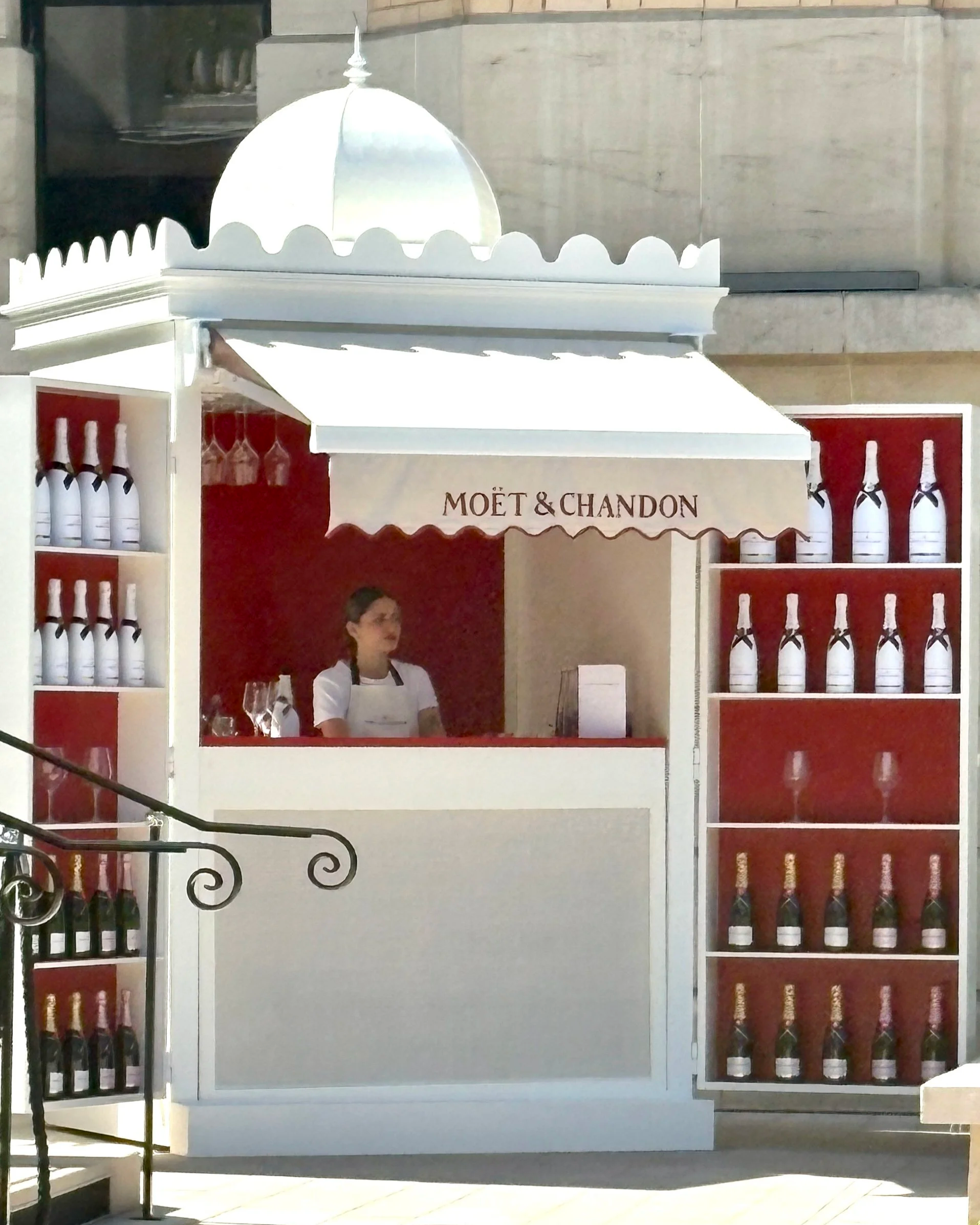
A Trip to Champagne
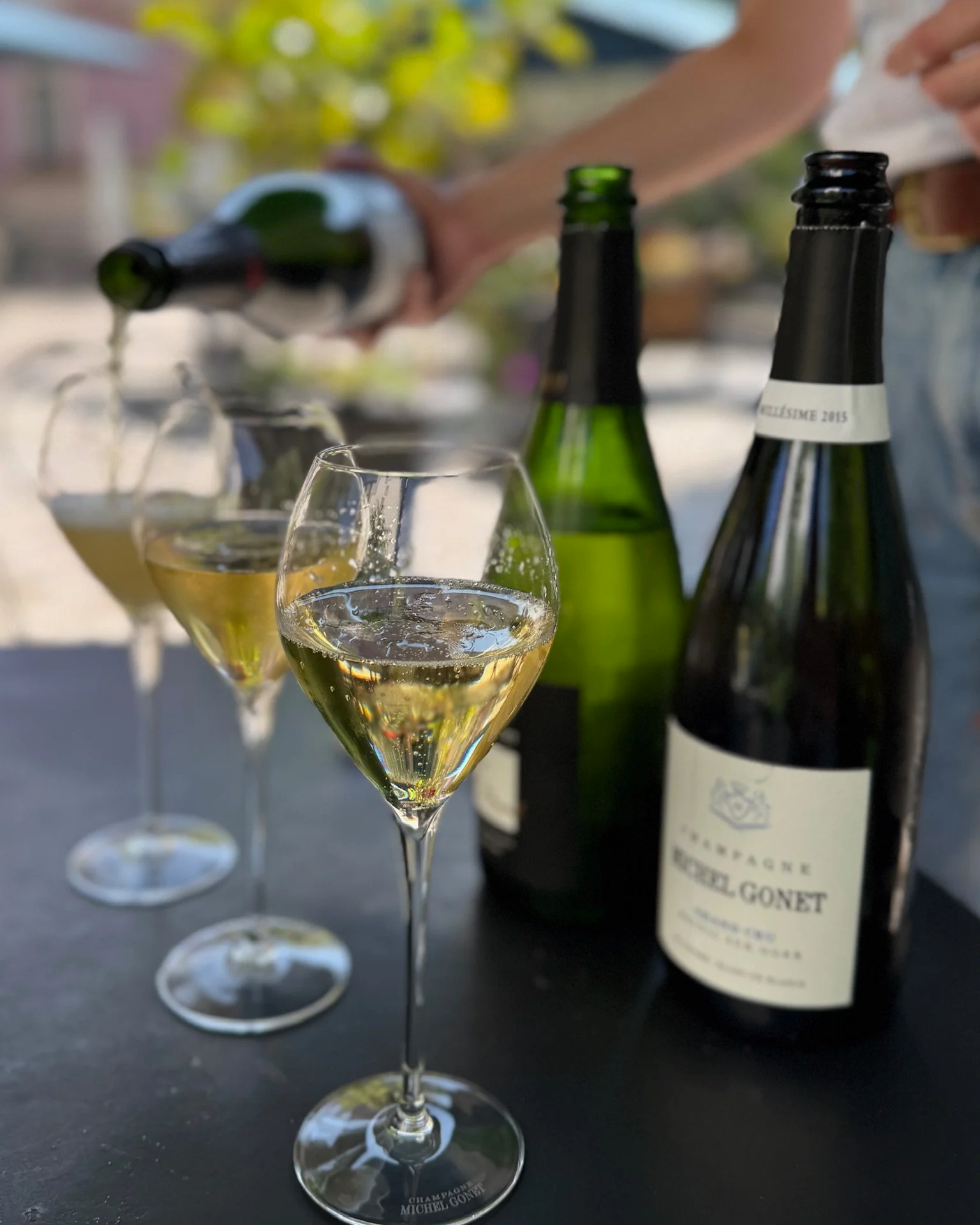
Bienvenue à Champagne!
The Champagne region is the only place in the world where sparkling wine can legally be labeled Champagne. More than 300 million bottles are produced here each year, backed by centuries of tradition and craftsmanship. Legend has it that the monk Dom Pérignon perfected the méthode champenoise by blending grapes for better balance and introducing thicker glass bottles to withstand the pressure of the wine. While he didn’t invent Champagne, he undeniably elevated it into what we know and love today.
Today, Champagne is a vibrant, lush, and breathtaking region filled with prestigious Champagne houses, exceptional restaurants, and charming hotels. It is remarkably easy to reach from Paris: the high-speed train from Gare de l’Est to Reims takes just 45 minutes. From there, getting around the region is simple—though I highly recommend hiring a private driver. Not only does this allow you to relax and enjoy the scenery, but it also ensures you can fully enjoy the tastings without worrying about navigating rural roads or driving afterward.
The best times to visit Champagne are May and June, when the weather is mild and the vineyards are green and vibrant, or late October to November, when autumn colors transform the landscape. September through mid-October is harvest season, and while fascinating, many Champagne houses close to focus on grape picking—so it’s best avoided unless you’re visiting with a specific plan.
Champagne Houses
Champagne offers an impressive range of tasting experiences, from small, family-run producers to iconic global houses. Some focus on art and architecture, others on historic wine cellars, while a few offer in-depth explanations of the Champagne-making process. Larger houses—such as Ruinart—provide immersive cave tours often paired with contemporary art installations, followed by tastings. I always recommend visiting a mix: one large house, one mid-sized producer, and one boutique Champagne maker. This approach gives a well-rounded understanding of the region’s diversity and style.
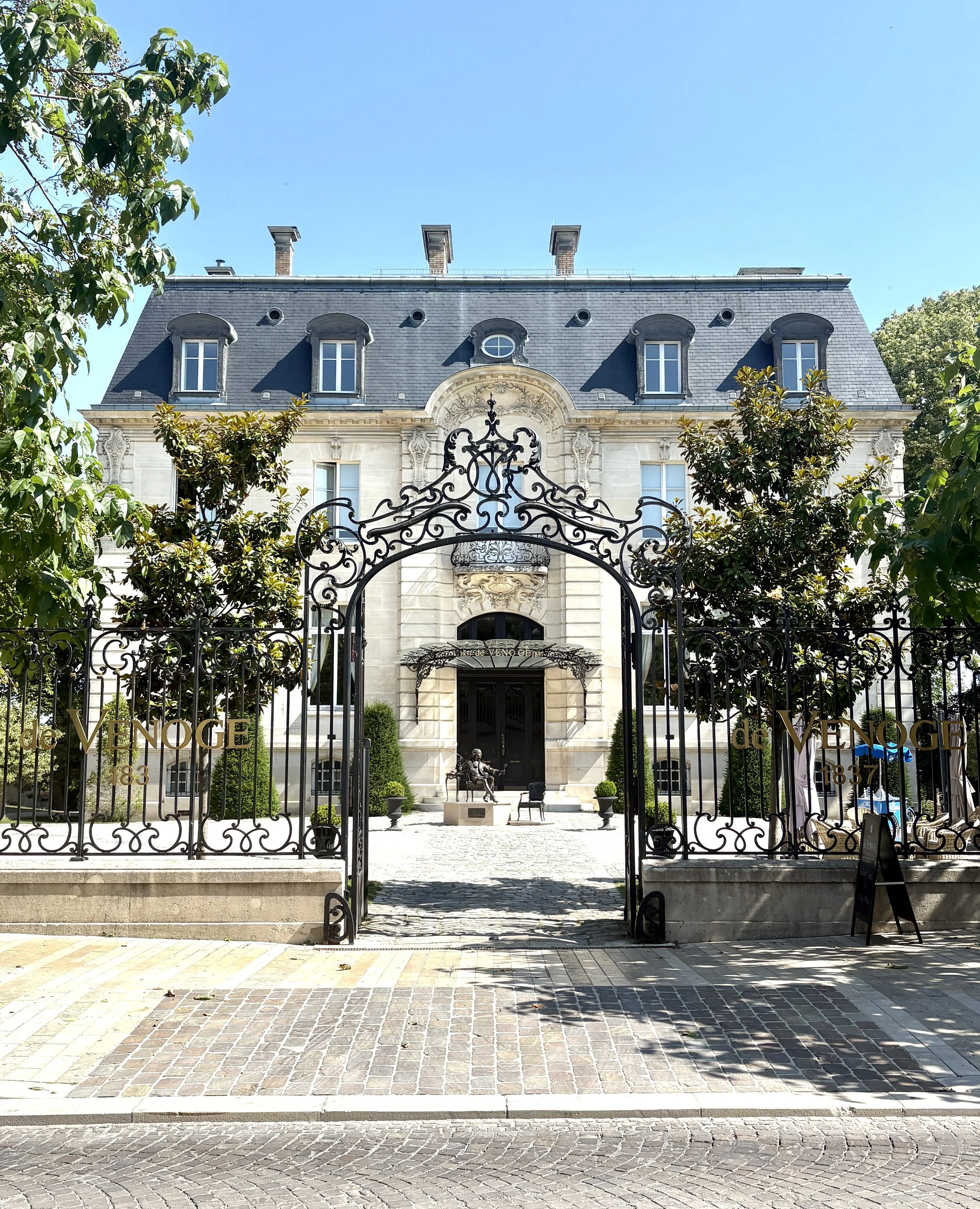
Avenue de Champagne
In Épernay, the famous Avenue de Champagne is dedicated entirely to Champagne. Grand historic mansions—once private residences—now house elegant tasting rooms from many of the region’s most renowned producers. Most tastings don’t require reservations, and everything is walkable, making it easy to explore without a driver. Some tasting rooms even offer light food options, perfect for a relaxed, spontaneous day of sipping and strolling.
Dining
As expected in France, dining in Champagne is an experience in itself. The region is home to several Michelin-starred restaurants, as well as excellent bistros, cafés, and picnic-friendly options. Many outstanding restaurants are tucked into small villages, offering the chance to explore lesser-known towns while enjoying exceptional cuisine. Whether you prefer a casual lunch or a refined tasting menu, Champagne delivers at every level.
Beyond Champagne Tasting
While Champagne tasting is the main draw, the region offers plenty of other activities. Float above the vineyards in a hot-air balloon, explore scenic trails on an e-bike, take a hands-on cooking class, or soar through the countryside on a zipline. History lovers can visit the UNESCO-listed Cathédrale Notre-Dame de Reims or the Abbaye Saint-Pierre d’Hautvillers, where Dom Pérignon is buried. Even for non-drinkers, Champagne offers a rich mix of culture, nature, and unforgettable experiences.
An Unforgettable Way to Experience France
Whether you are a seasoned wine lover or simply seeking a beautiful escape just beyond Paris, Champagne offers a perfect balance of elegance, history, and indulgence. From world-class tastings and memorable meals to scenic countryside and cultural landmarks, the region invites you to slow down and savor the moment. A visit to Champagne is not just about the bubbles—it’s about experiencing a way of life that is unmistakably French and truly unforgettable.